Dr. Sophie Armstrong
Miss Sophie, Dr Sophie and Sophie Squared? Three titles, one person. Let’s put them all together…
Miss Sophie: How did you get involved in dance?
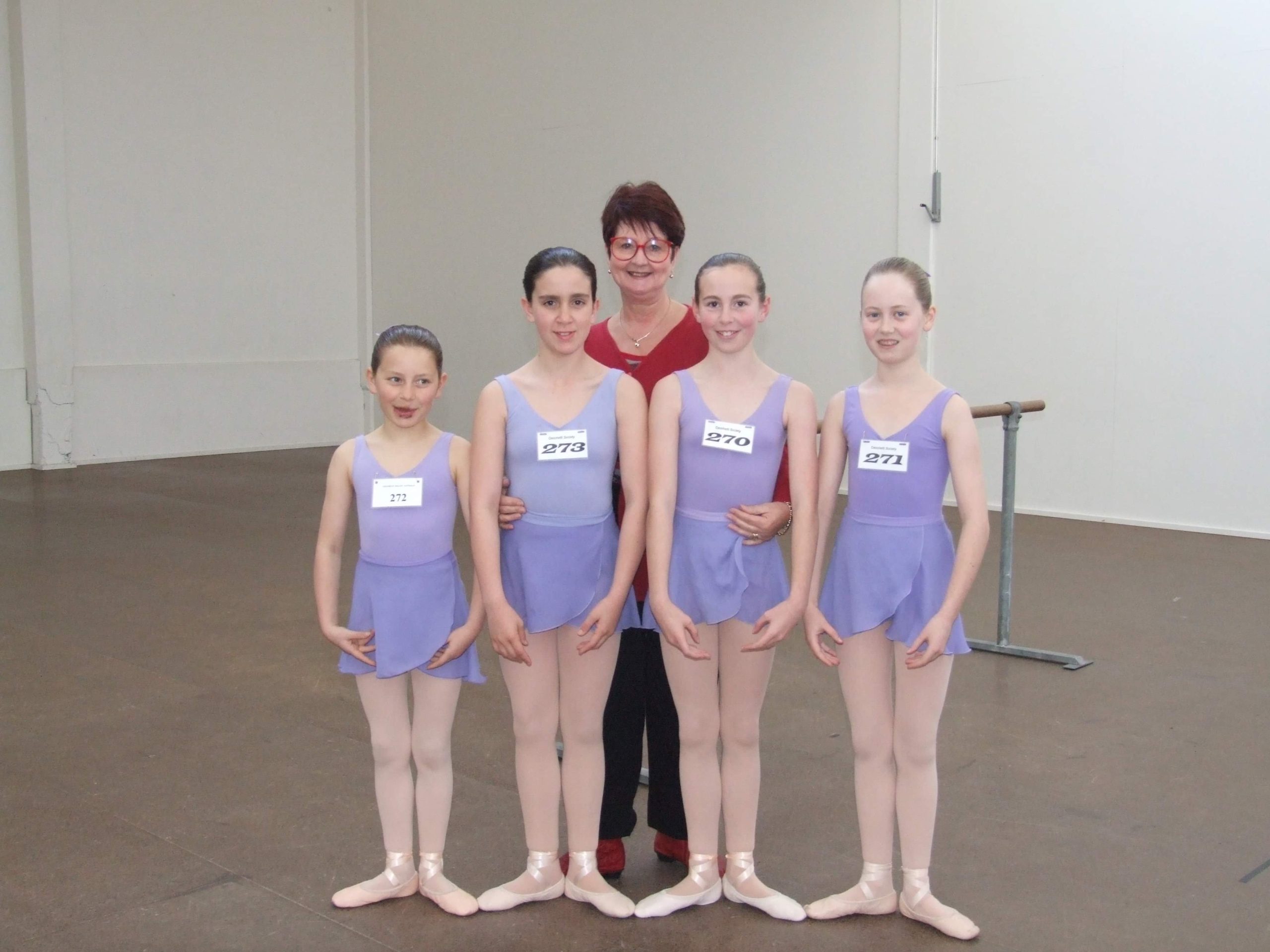
Sophie with classmates and Miss Sandra at a ballet exam.
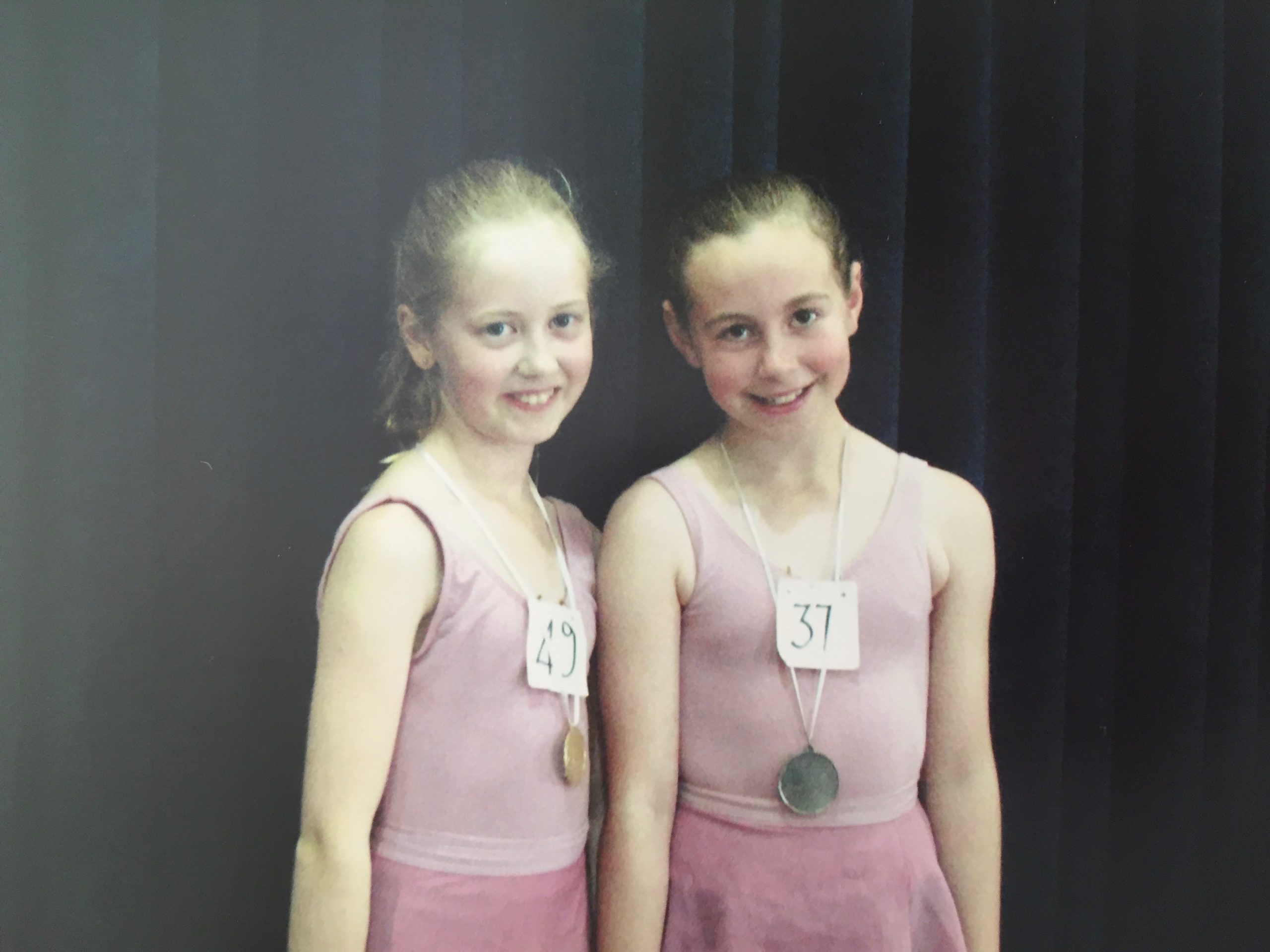
Sophie with bestie Sophie G at a scholarship day.
Miss Sandra is such a beautiful teacher who nurtured everyone.
I started dancing at a family members dance school when I was three, but moved to Rosebud Ballet School with Miss Sandra when I started primary school as it was closer to home. My parents were both very tennis and footy sporty people so they were very surprised when I chose ballet, and probably even more taken aback when I begged to be at ballet every day!
Because I joined a little later than others, I was put in a class with younger kids. I think that was good for my confidence, as I got to be a bit of a leader. Miss Sandra then asked me to do two Cecchetti exams in one year (Grade 1 and Grade 2) and that’s when I really fell in love. I loved the structure, repetition and routine. And Miss Sandra is such a beautiful teacher who nurtured everyone, especially the students who really wanted to be there.
Is it odd to say that I loved exams? I’ve always loved little challenges like that. Not necessarily getting the report at the end but proving to yourself that you’ve worked really hard.
When I was turning 10, I had received the ballet scholarship and Miss Mel created a story around a young mermaid who was also turning 10. Her pearl necklace is stolen by stingrays and she goes on an adventure with the seahorse king. This concert was so magical for me because I was honoured to be the central character and it was my first time dancing with a broader PSD cohort.
When Mel added more dance styles, I started tap and LOVED it. I think I was really called to tap because, as a mathematician, it’s all about counting and beats. Did I also do hip hop? Oh god, no! Miss Mel and Miss Carla would sit at the back when we had guest hip hop teachers and laugh at me. I’d always try to turn out and pointe my feet.
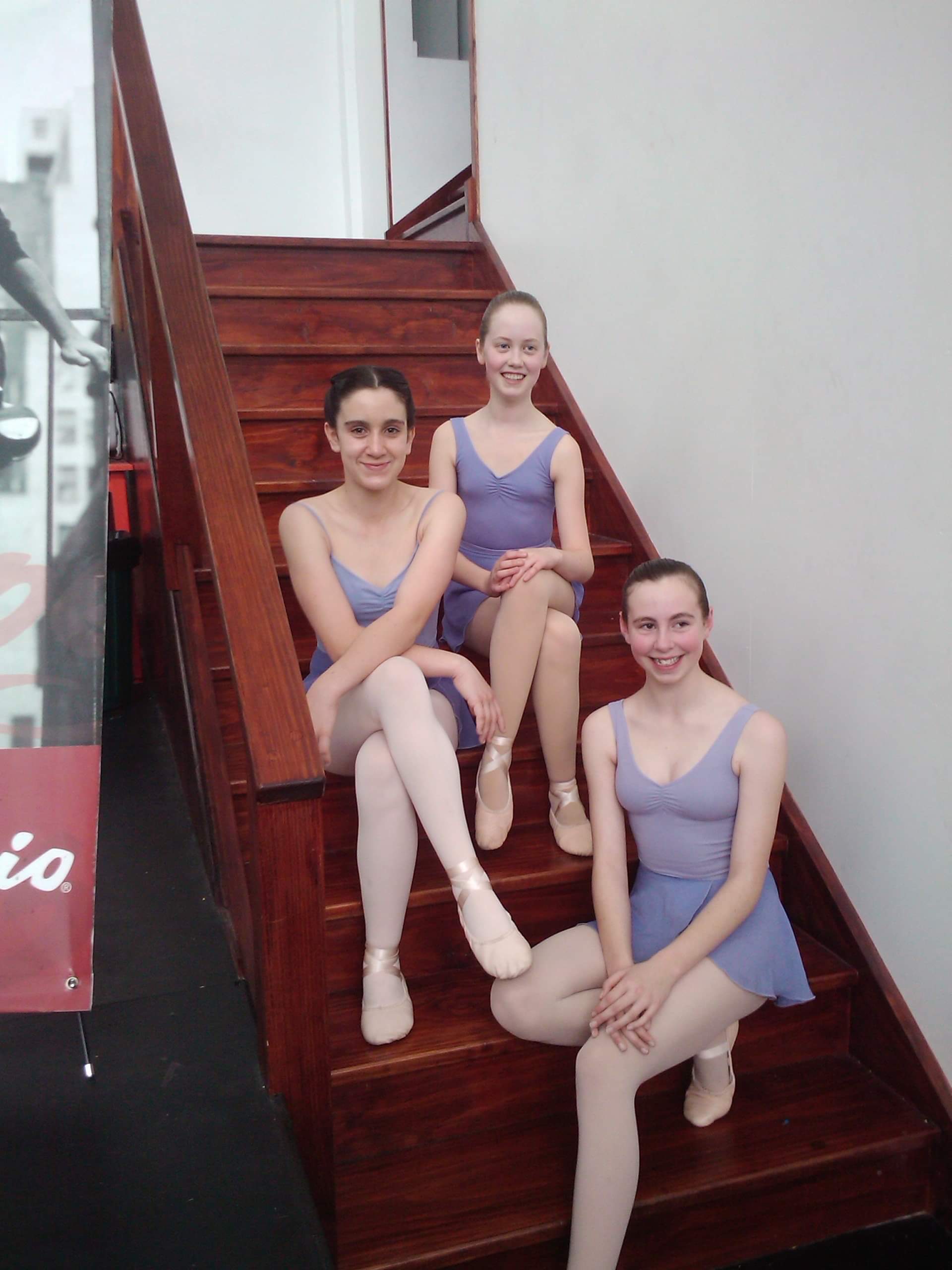
Sophie with classmates Khali and Sophie G at Ministry of Dance prior to a ballet exam.
I LOVED tap. Did I also do hip hop? Oh god, no!
I started assistant teaching in a really informal way (where you’re not sure whether you’re actually a help or a hinderance!). I just wanted to be like the ‘big girls’ who so inspired me. We were so lucky to be mentored and nurtured as we moved from assistant to junior teacher to running the whole backstage at a show
I was the tap teacher at PSD for a good few years. By the end of high school, I was doing about five hours of teaching on a Saturday and maybe a couple of nights a week of three or four hours each. That was my part time job but it never felt like work.
I was at PSD for about 17 years in total. That’s more hours than I could ever count
Dr Sophie: Tell us about your life in science.
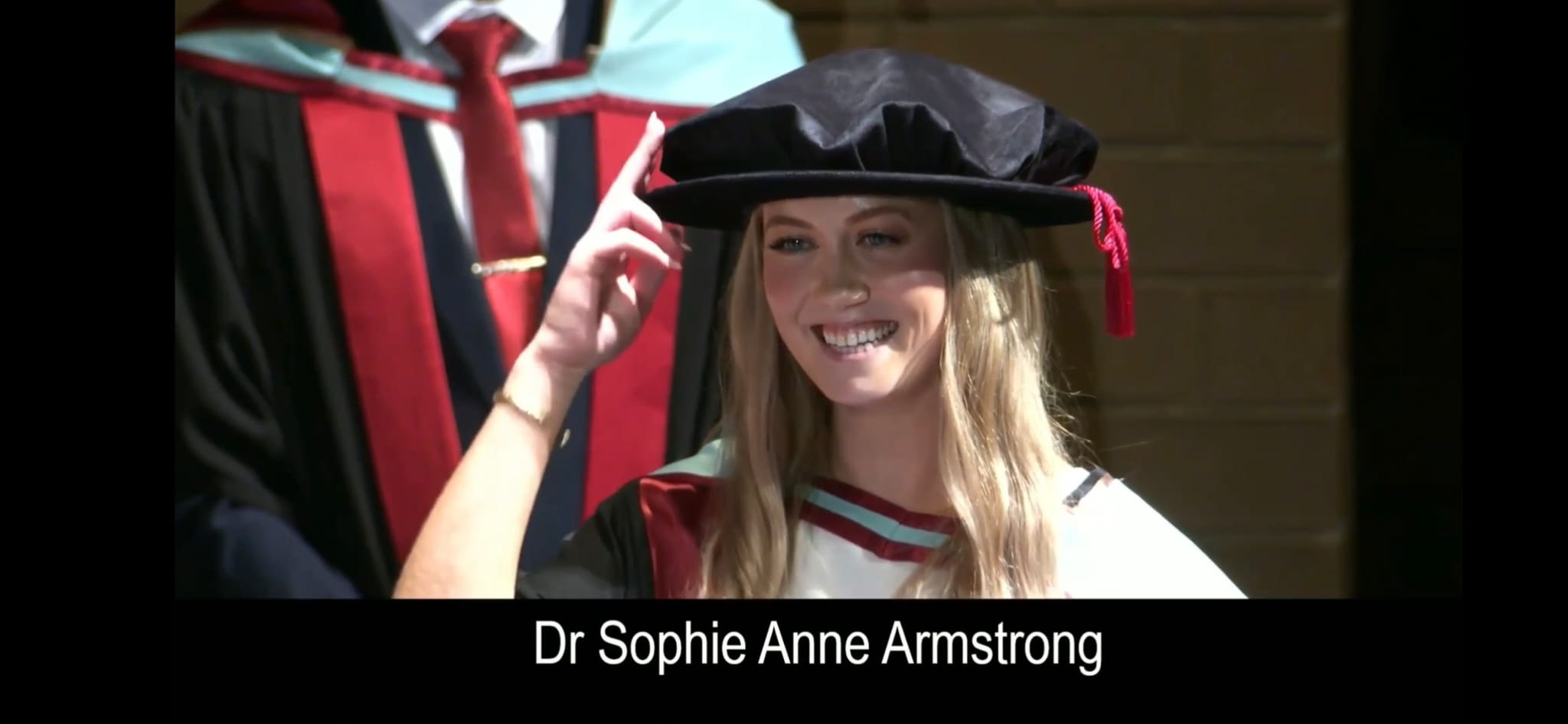
Sophie receiving her PhD.
I studied biomedical science and materials engineering at uni (a double degree) because it sounded interesting, I loved maths, and I thought aiming for this would motivate me to study during Year 12.
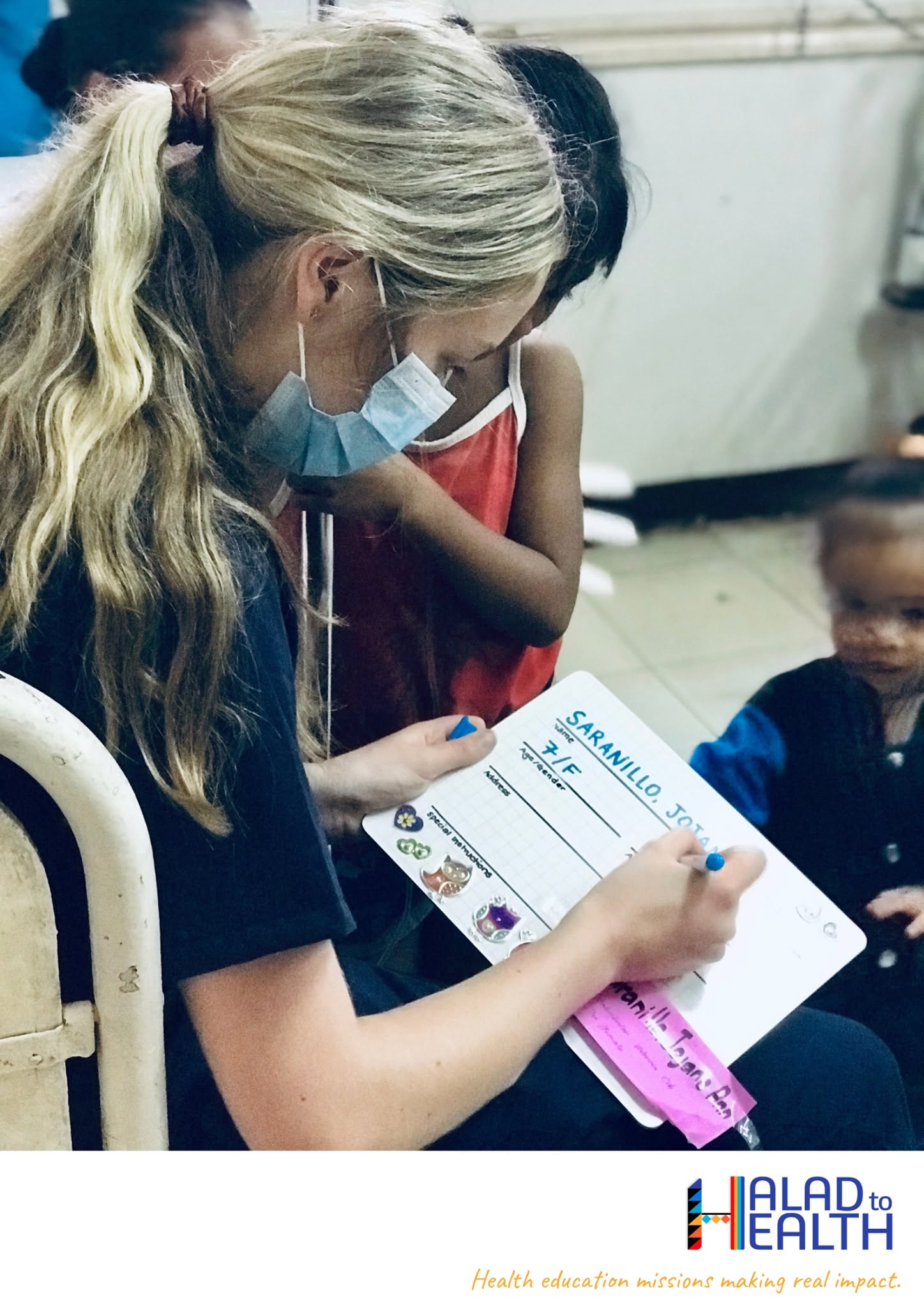
Towards the end of my degree, I was invited to do a research project in life support training tools. Then, I was asked to stick around for a PhD in mechanical engineering, where I redesigned mechanical heart implantation devices.
Then, after being awarded my PhD in early 2026, I was asked to come to Griffith University on the Gold Coast to continue some research looking at blood cell damage in these mechanical heart devices. My job title is ‘Research Fellow – Haemocompatibility Engineer’.
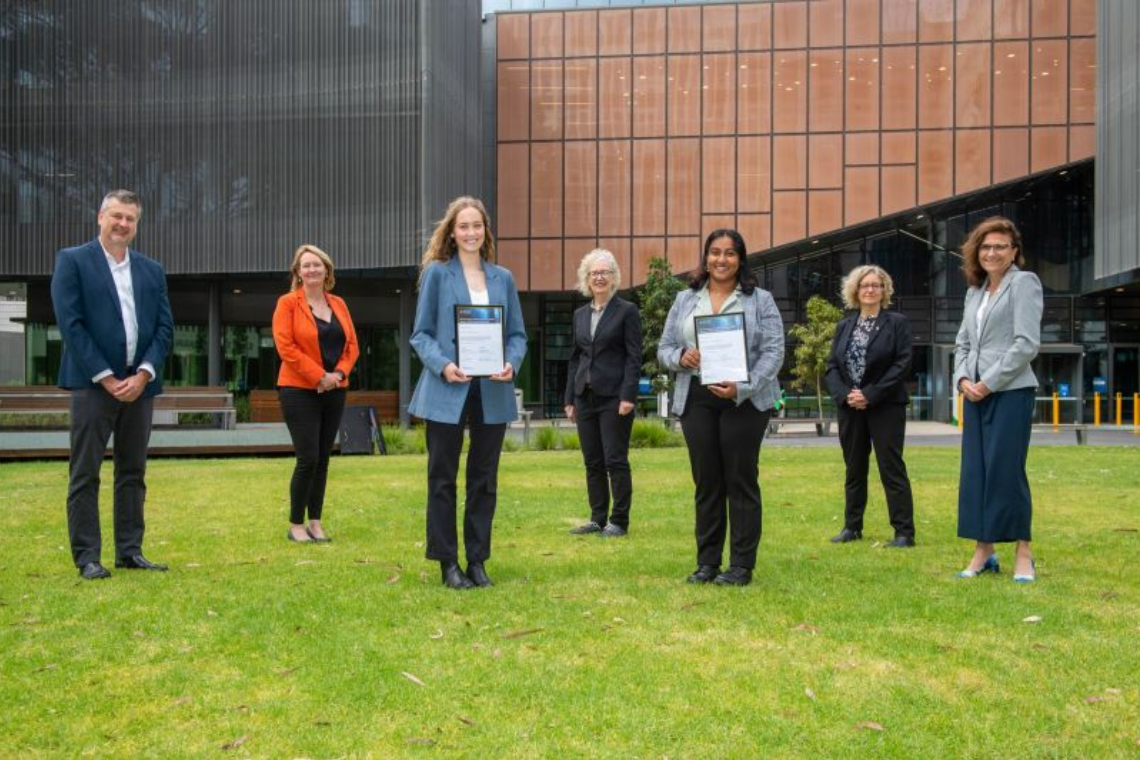
Sophie receiving inaugural Women in STEM Student Leader Award, led by Monash University’s Monash Institute of Medical Engineering, recognises young women students for their leadership and contribution to Science, Technology, Engineering and/or Mathematics fields.
My work is based around ‘total artificial hearts’, which are made of titanium and are being implanted in people as we speak.
My work is based around mechanical circulatory support devices, such as ‘total artificial hearts’, which are made of titanium and are being implanted in people as we speak. They’re for people with advanced heart failure who would otherwise die while on the waiting list for a heart transplant, as we don’t have enough donor hearts available.
Surgeons cut out the two ventricles (the lower half of the heart) but keep the two atria (the top half of the heart). They then use atrial cuffs, which are flexible pieces of plastic, to clamp on an 800 gram magnetically-levitated artificial heart, which sits on the diaphragm and spins the blood really fast and spits it back out to the aorta and pulmonary artery.
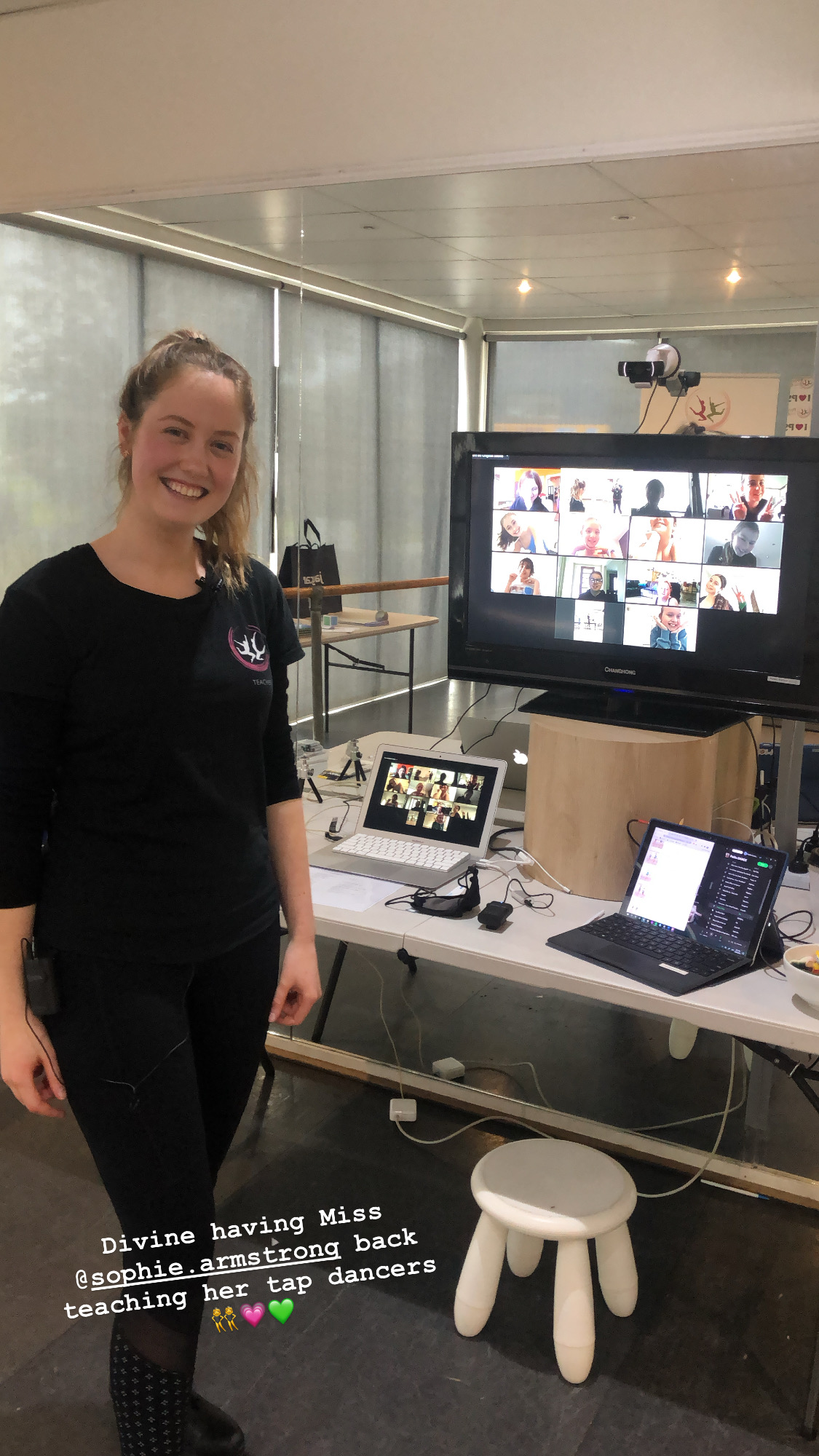
My lab’s goal is to minimise blood damage in these heart pumps. At the moment, people have these artificial hearts in for a few days, weeks or months while they wait for a donor heart to become available. But, the ultimate goal is that this could be a therapy in itself, to reduce the demand for heart donors. This is so new but, like a lot of medical interventions, I hope that, in 20 years from now, it might be a widely available, life-saving option.
A typical day for me involves running experiments, supporting blood donors, managing a team to complete a lot of assays, and then interpreting the data at the end of it all to report back to clinicians. I’m more of an engineer than a physiologist but, as my work focusses on the interface of the body and the mechanical heart, I know about both worlds.
“I’d didn’t ever really picture myself here. But I’m very happy it’s where I’ve landed.”
I do a fair bit of work across the road a clinic that manages haemochromatosis patients (who have too much iron in their blood so have to blood let for therapeutic reasons). I then carry blood across the road in my little eski for our experiments, so the phlebotomists say: “Here comes the vampire”!
I didn’t ever really picture myself here. But I’m very happy it’s where I’ve landed.
Are there connections between Sophie and Dr Sophie’s interests and talents (in addition to tap being very mathematical)?
When I was younger, I wanted to be a ballerina and the prime minister! I loved ballet but was probably never going to be a professional dancer, but then I fell in love with school and learning as much as I was in love with ballet.
Science and some types of dance both require being meticulous and having an eye for detail. The other area where dance and science overlap is in the area of research communication.
It’s really important in research that you don’t leave your work in your notebook but communicate it to the wider research field and to the public in general. I love presenting my work and I think performing sets you up well for this. Being familiar with the spotlight, standing up, taking a breath, and being resilient when things don’t go as planned is something I think ballet has helped me with.
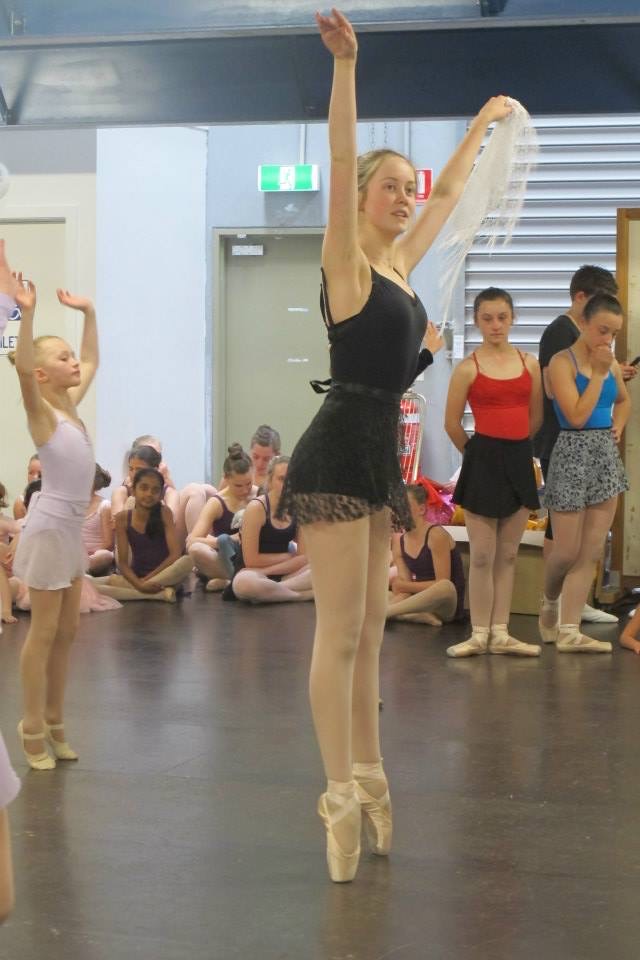
Sophie’s first love was always ballet.
“When I was younger, I wanted to be a ballerina and the prime minister.”
Sophie Squared: Please fill us in on this unusual name…
My best friend, Sophie Gould, (https://peninsuladance.com.au/thegoulds/) and I are known at PSD as Sophie Squared. I’m not sure who came up with the name but we were in classes together since I did those two exams in one year, we’d always be the lead in our exam classes, there’d be a Sophie on either side at the front, or two Sophies leading our group onto the stage.
I can’t even really talk only about my experience at PSD, because it was the shared ‘Sophie experience’ that was so special. We are both eldest daughters and we were similar in the way we danced, though she was more contemporary and I was more tap. Outside of dance, she’s very focussed on the humanities and loves to read, whereas I’m very science-y and black-and-white. It was a good balance.
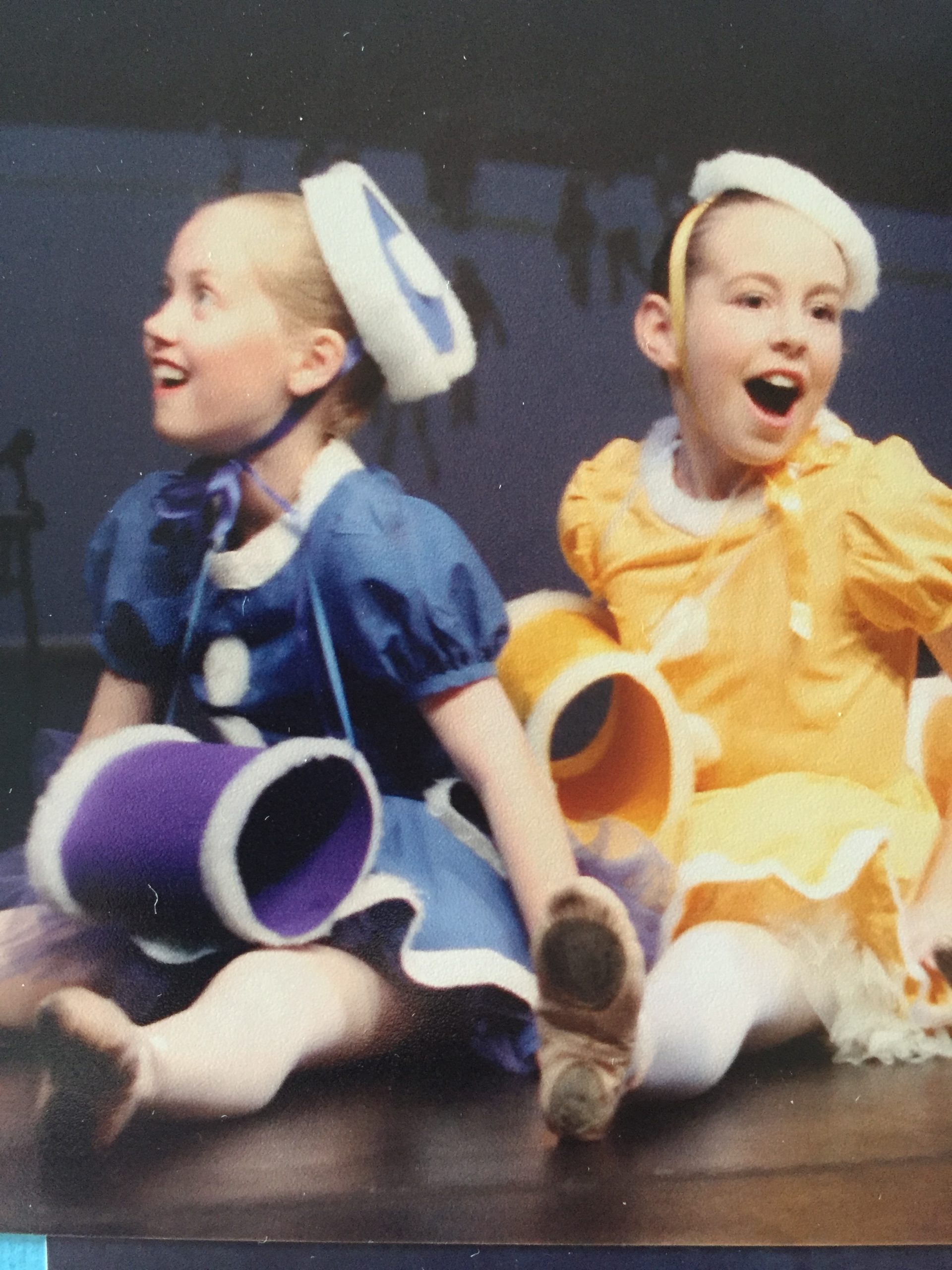
The Sophie’s always enjoyed concert time together.
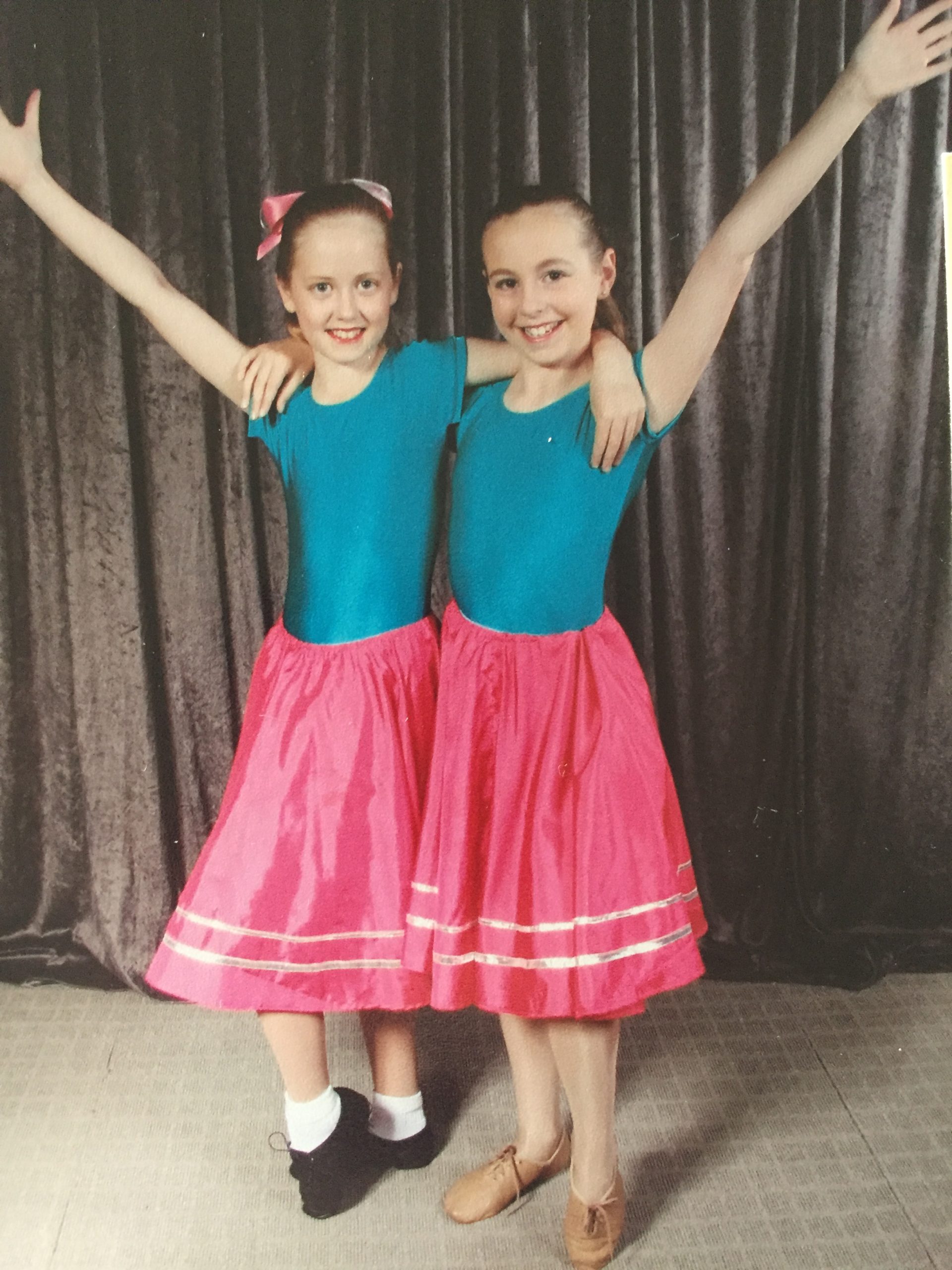
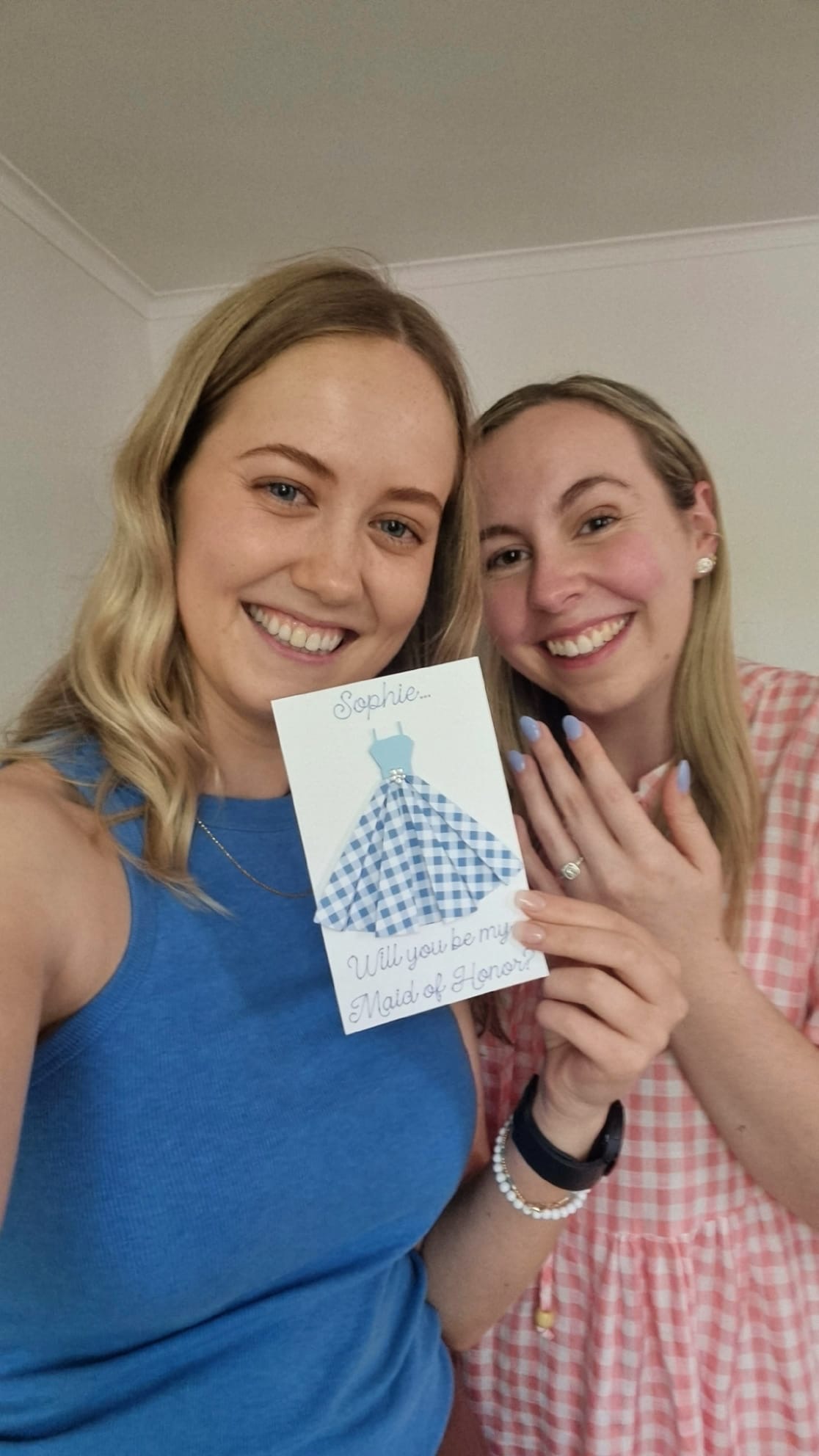
Best friends – Sophie and Sophie
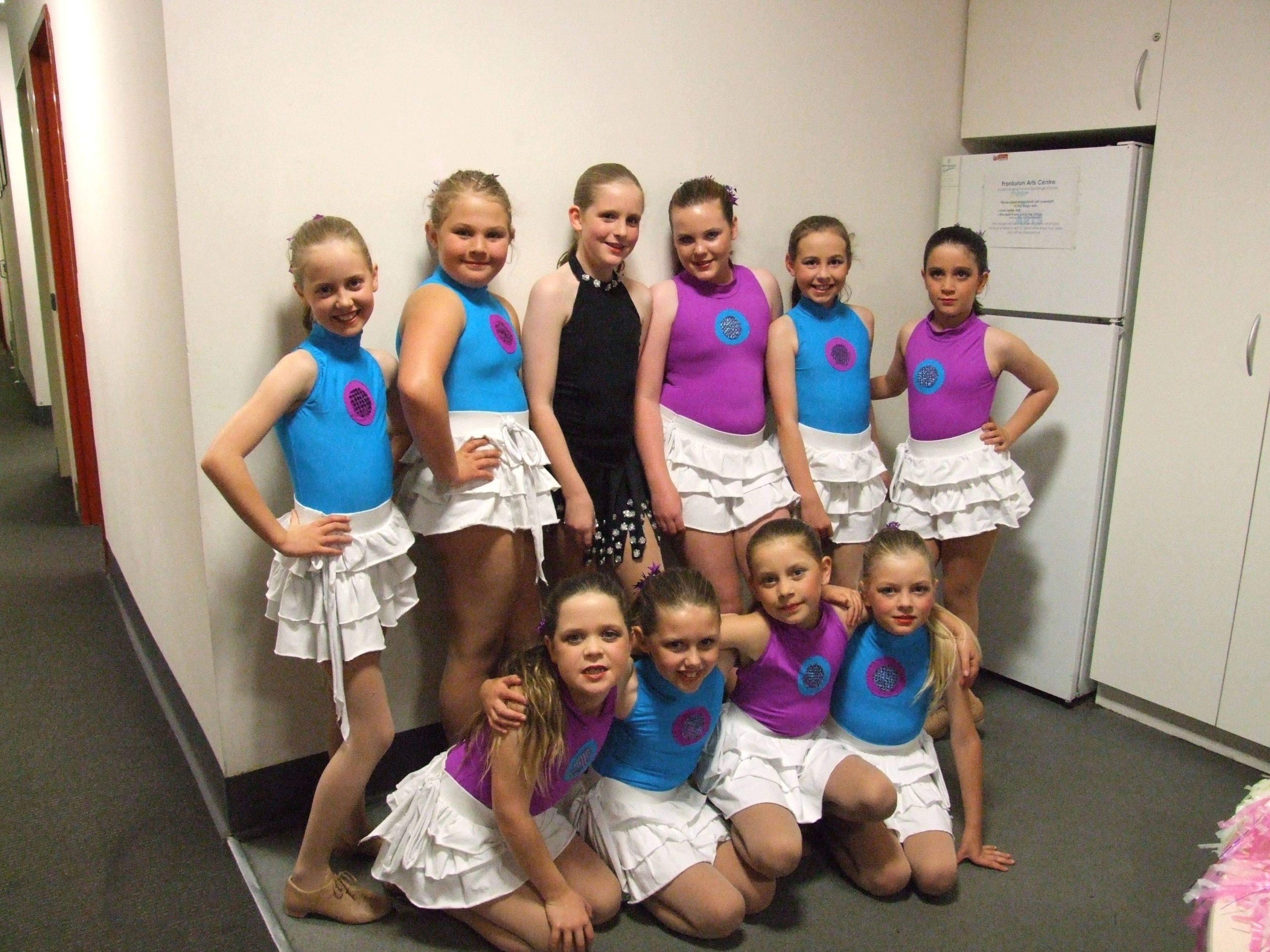
Ready with classmates backstage
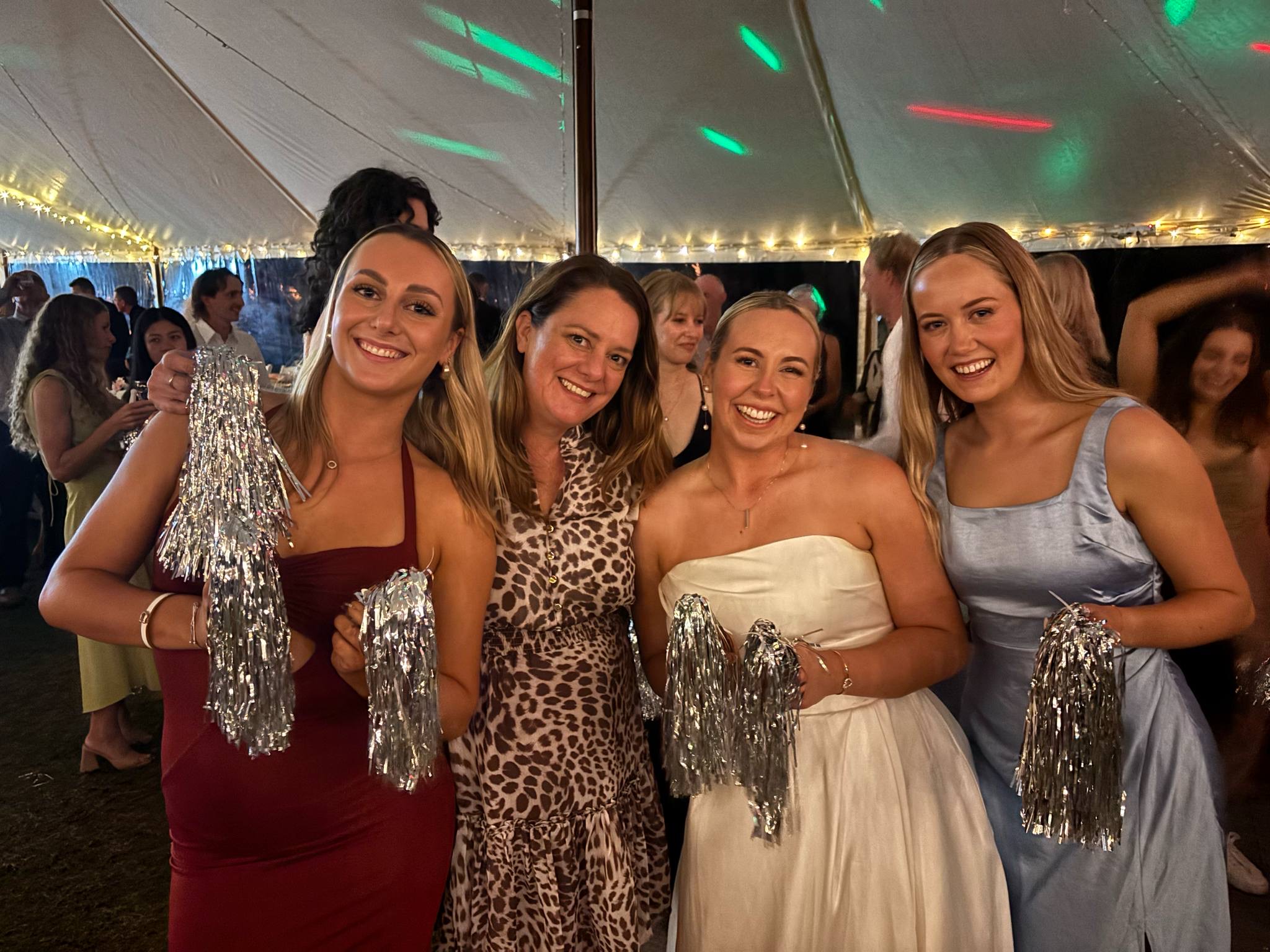
Sophie A – bridesmaid for Sophie G pictured with Miss Mel & Olivia
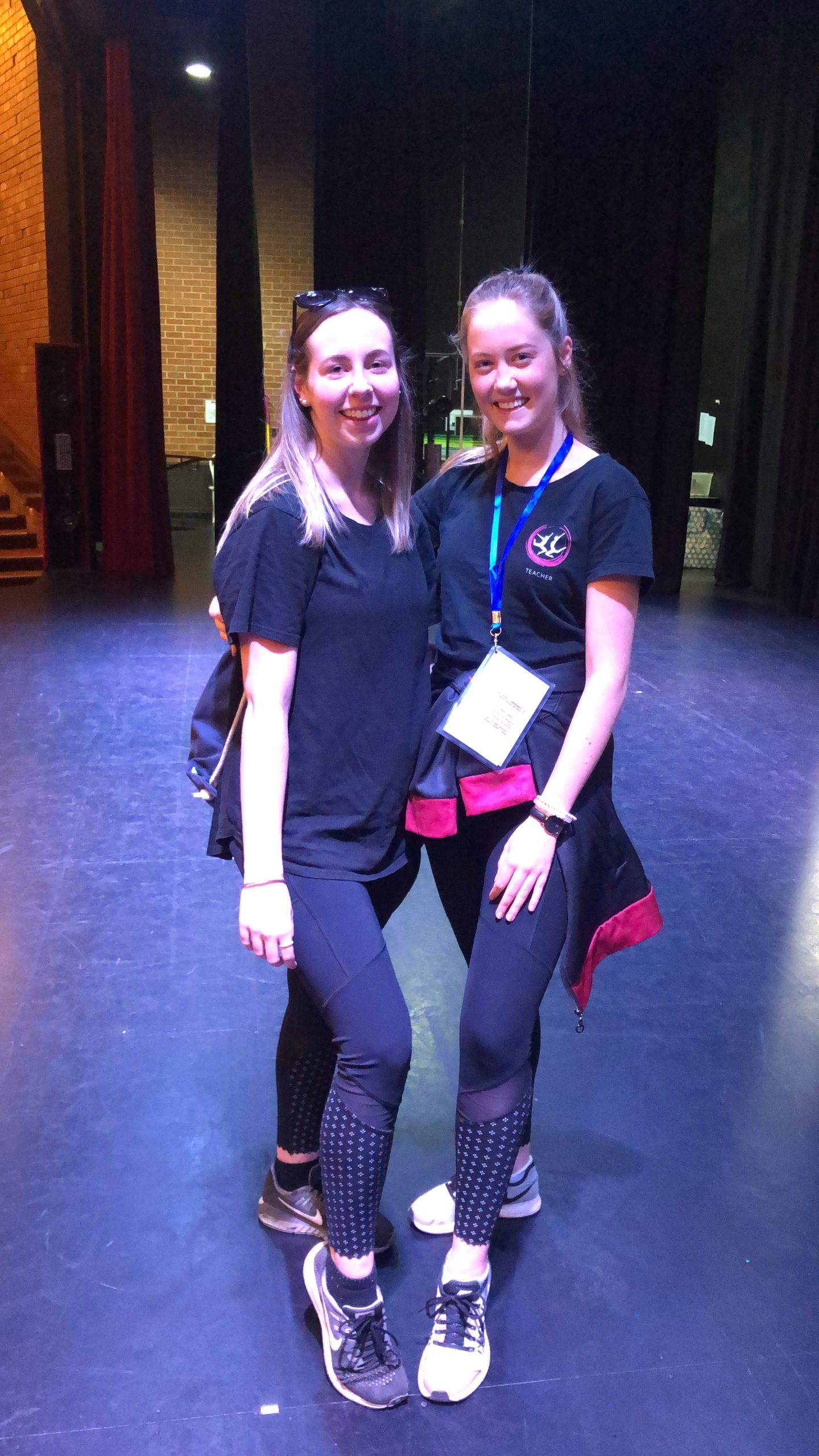
Sophie Squared were also a powerhouse teaching duo.
I can’t even really talk only about my experience at PSD, because it was the shared ‘Sophie experience’ that was so special.
We are still best friends. I was the Maid of Honour at Sophie’s wedding last year and I’m now Godmother to her beautiful daughter. Of course, PSD offered me far more than this friendship, but it really is so special.
I wonder whether your younger sisters were ever accidentally called Sophie during their dance classes?
My two younger sisters, Olivia and Eloise, also danced but they were way cooler than me, as they were part of the DStep Crew. I made them do 10 different routines with me each choreographic competition
PSD was special for my whole family. Despite being a tennis-playing, non-artist person, my mum, Jacqui, was always there watching us and being involved with sewing costumes and being part of the Bobby Pin Brigade. The dance mums still go out together for dinner.
I tried to channel Mum when I was teaching. She’s an extraordinary person who works as a midwife in the Special Care Nursery, so she guides parents at a really stressful experience in their lives by using a gentle and calm way of talking with everyone.
You’ve already given a lot of love to PSD. Is there anything else?
I think the ongoing PSD community is something very special. It’s incredible that I can catch up with Miss Mel during PSD’s Dreamworld Tour 2026 and she can talk me onto rollercoasters!
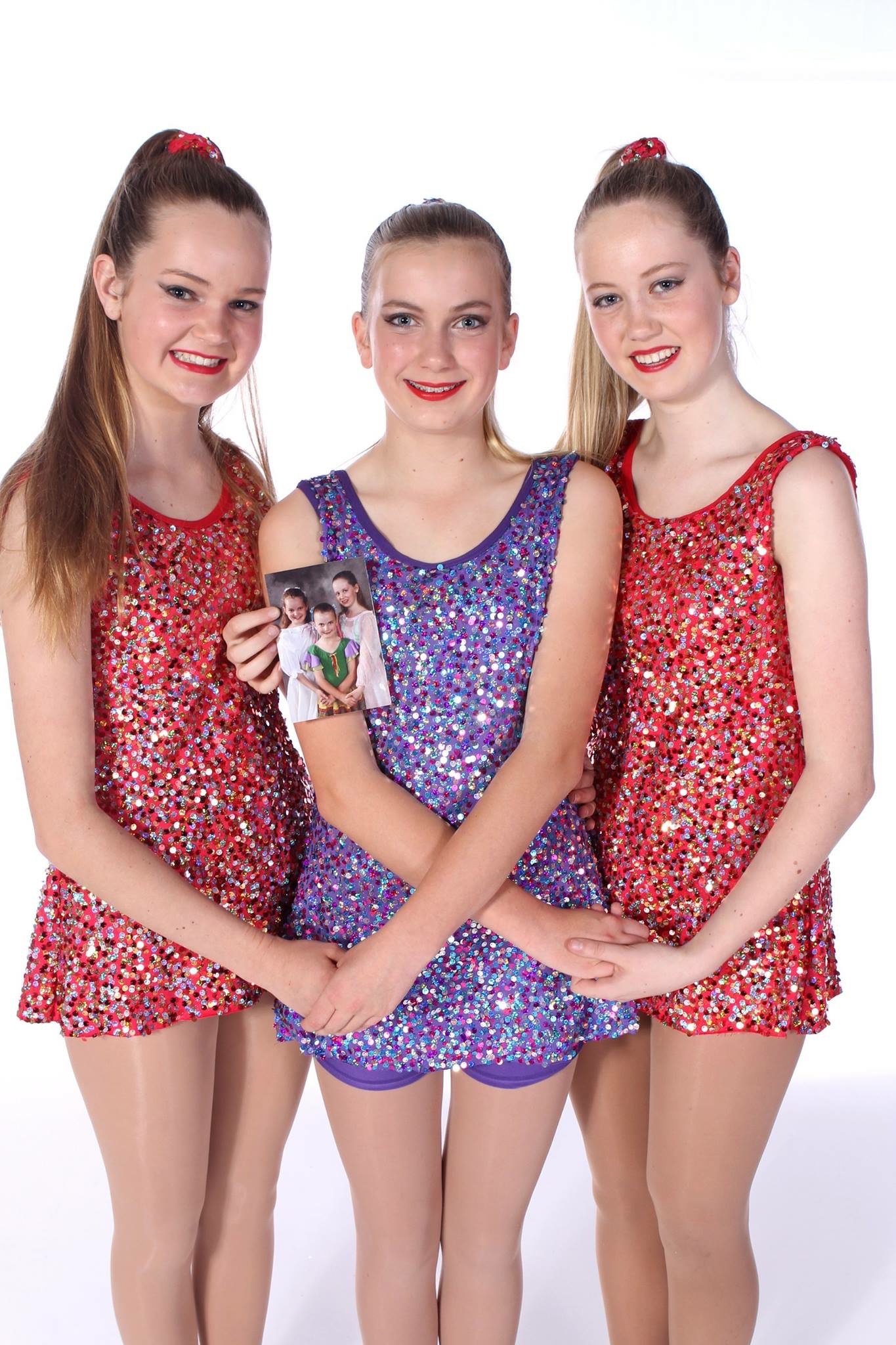
Sophie pictured with her sisters Olivia and Eloise (above) and her beautiful mum Jacqui (below).
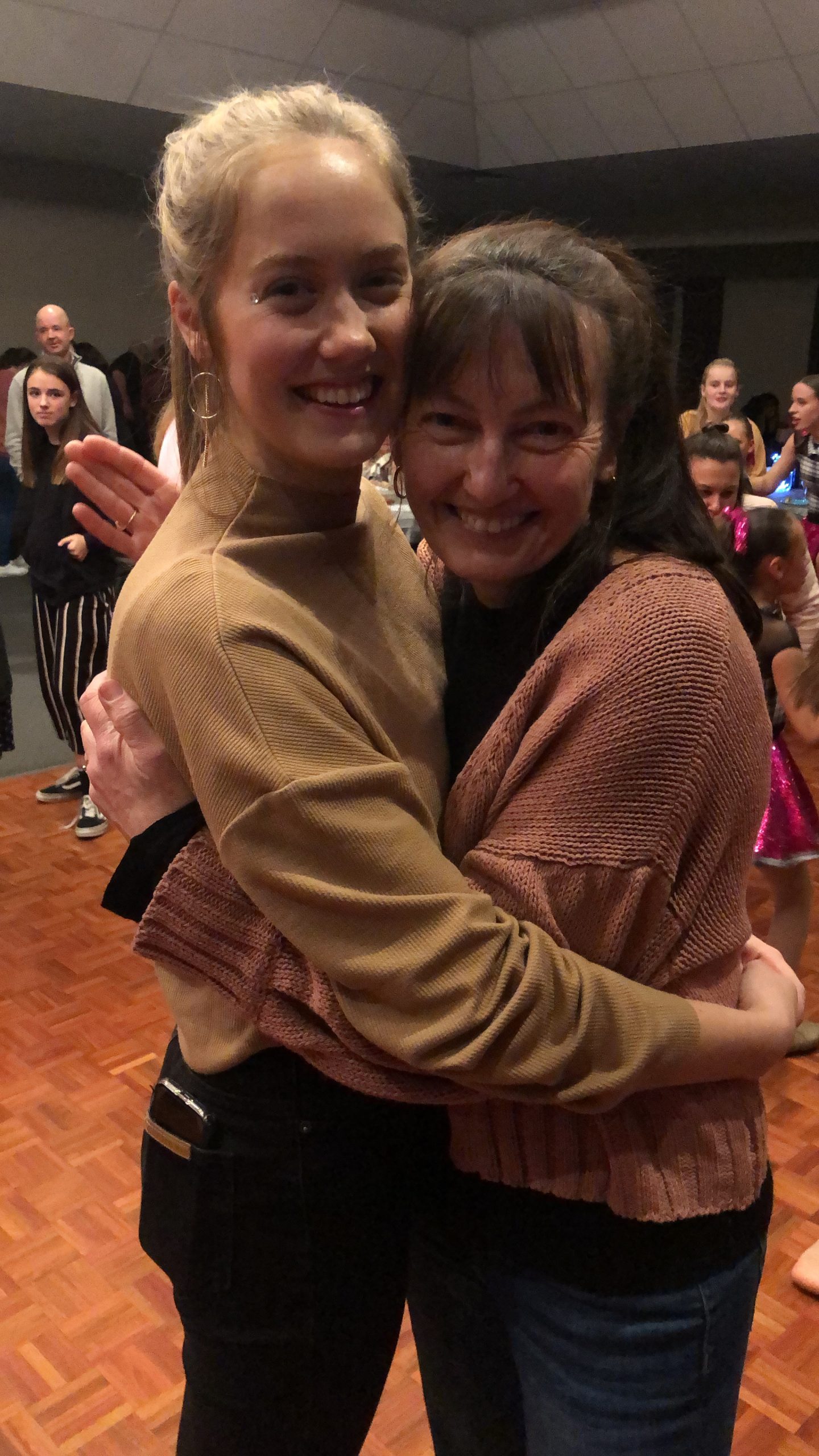
“It’s the moments out in the foyer and backstage at a concert that are just as important as the ones in the studio.
At Dreamworld, dance parents who I hadn’t seen in six or seven years greeted me with a hug and a chat about their not-so-little-anymore kids. I’ve gotten to watch so many of these kids grow into really interesting, grounded adults and celebrate their successes inside and outside of dance.
It’s the moments out in the foyer and backstage at a concert that are just as important as the ones in the studio.
We were never forced to compete, or pushed beyond reasonable expectations, just allowed to grow technique and a love for dance in a safe space. It’s the moments out in the foyer and backstage at a concert that are just as important as the ones in the studio.
As a dance teacher, I channelled Mum but I also just tried really hard to be like all those above me at PSD. Mel might have seen something special in me as a teacher but all I was ever trying to do was be like Miss Mel!
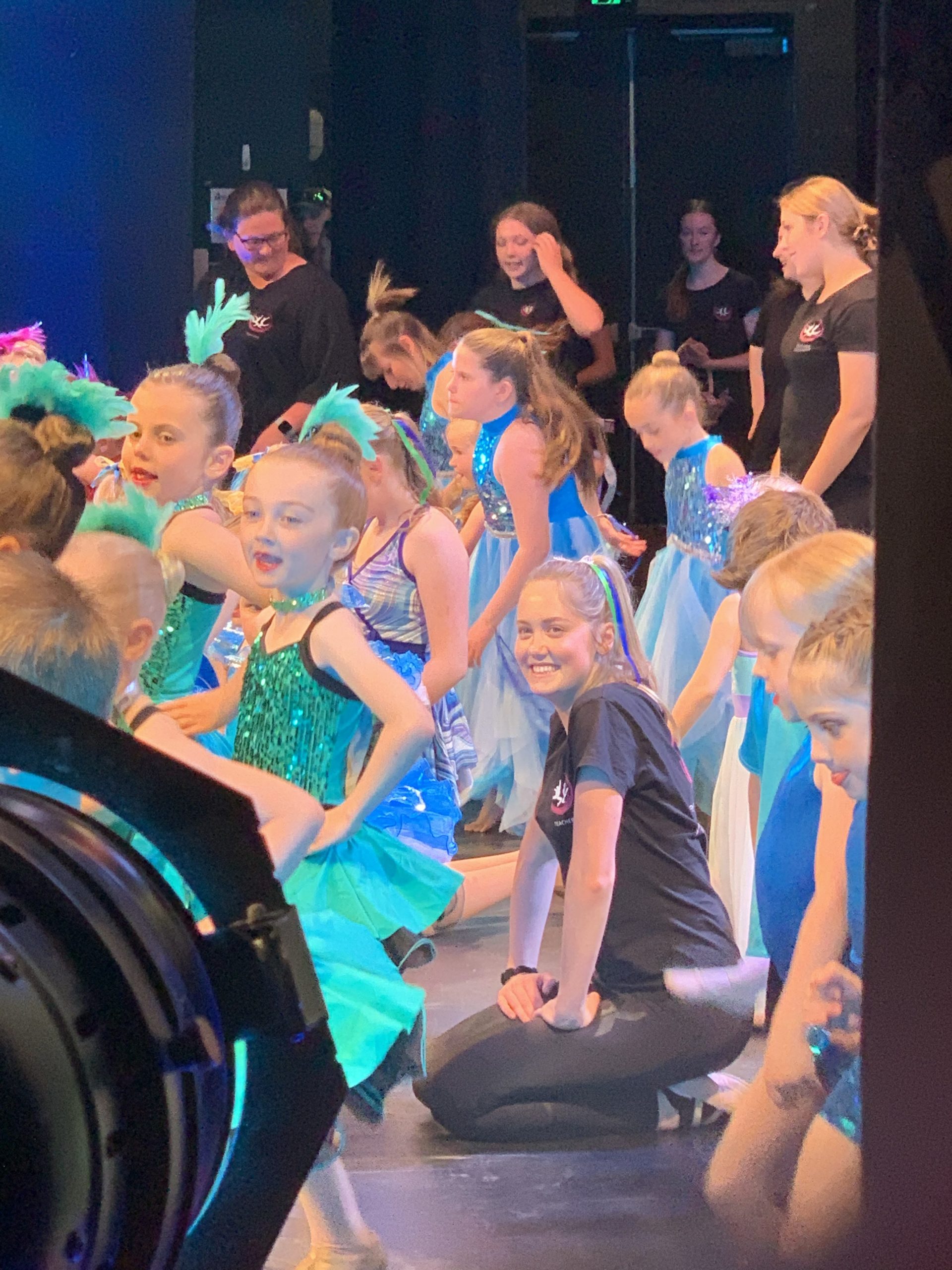
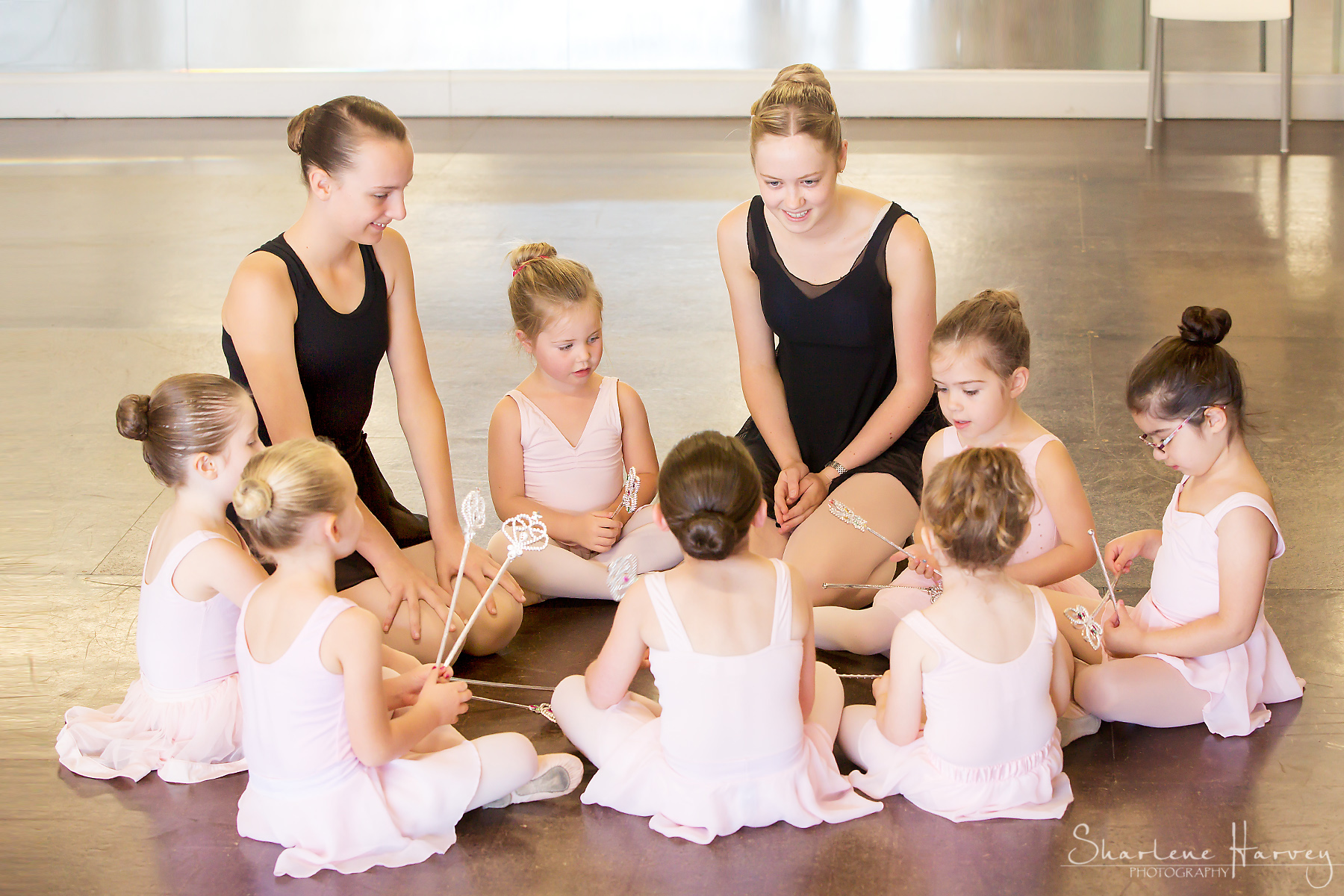
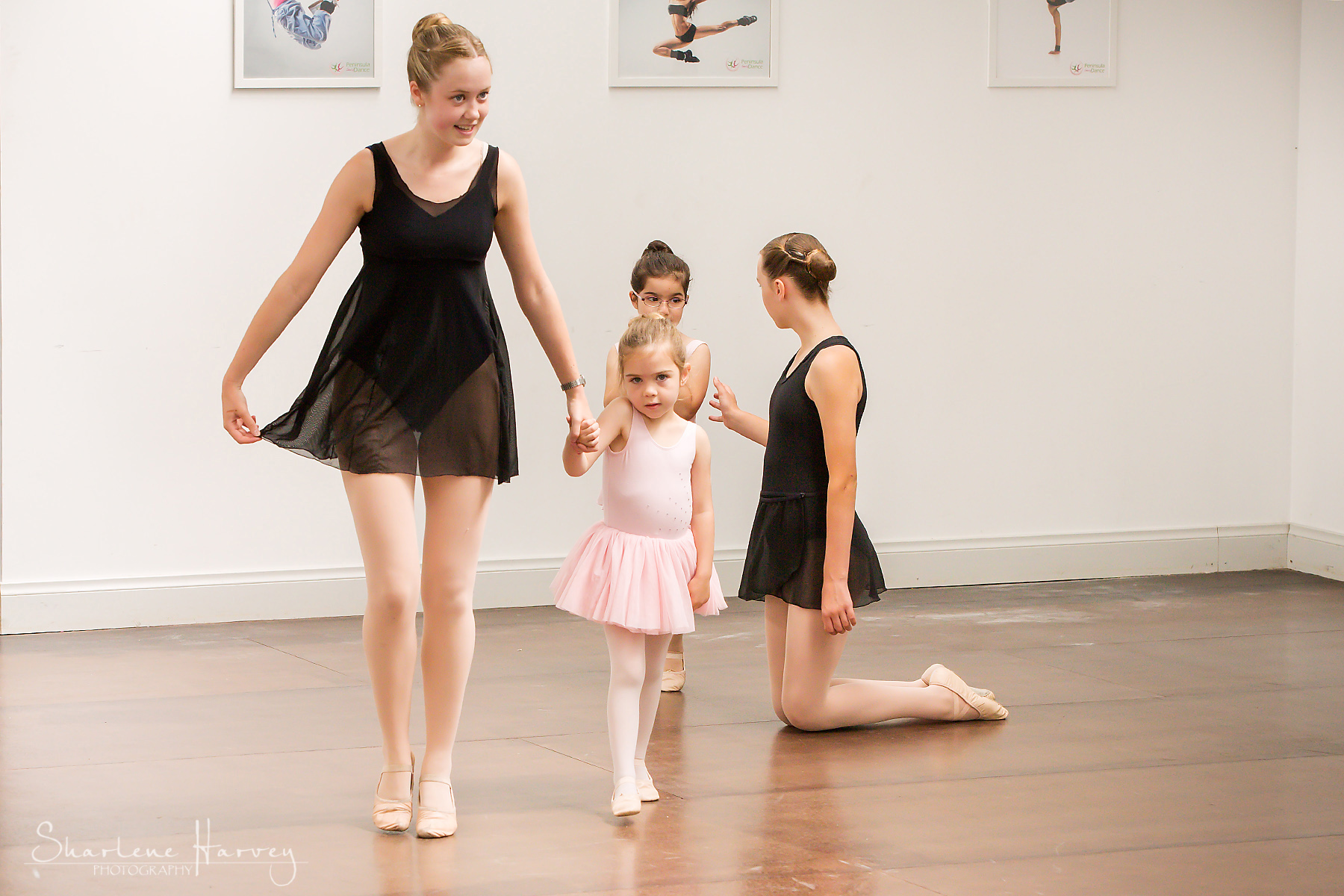
Sophie was always a popular teacher – so caring and nuturing towards all students.
What are your plans from here, and are you dancing at all?
I really love where I am and there’s very cool research going on. I would love to work and live overseas and, maybe one day, I’ll work my way up to Professor of Engineering and lead my own research team. My mum thinks I’ll end up as a teacher no matter where I am.
I’ve been doing a lot of swimming over the past few years — ocean swimming in Victoria but pool swimming up here on the sharky Gold Coast — and I’ve really missed the artistry of dance.
So, I’m currently doing a casual adult ballet class up here on the Gold Coast. Let me tell you, it hurts more than I remember, and I get dizzy trying to do pirouettes. It’s a class full of past dancers who speak so fondly of their training in childhood. It’s so nice seeing everyone find their way back to the barre.
On the occasion of the 65th anniversary of the school, what would like to say to Melanie and all others involved in PSD?
A very big congratulations on the anniversary, and a very big thank you to Mel, Sandra and everyone for letting me be a part of it.
I’ve really enjoyed reading all of these stories and hearing how the dance school has impacted so many different lives. I’m looking forward to seeing everyone at the Gala.
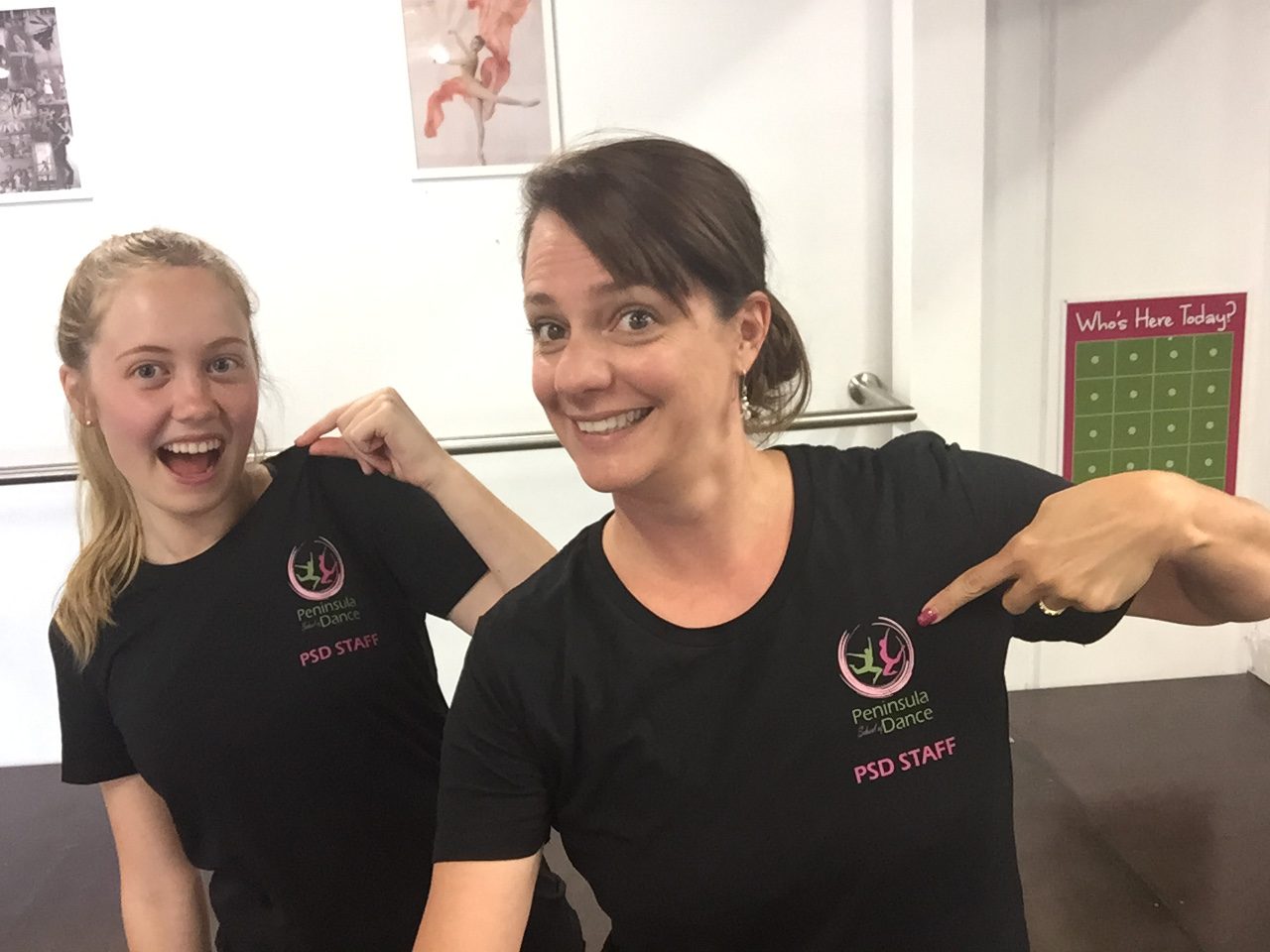
Sophie with Miss Mel in her first teacher tee.
Miss Sophie, Dr Sophie and Sophie Squared, we are so happy you can take a few precious days away from your research to help us celebrate at PSD’s 65th Anniversary Gala. See you in October!
Story by Vivienne Pearson. Vivienne is a freelance writer who writes feature stories for newspapers and magazines, as well as engaging content for business and causes.